
Junior Software Developer at Fundica
Accessibility at Fundica
I led Fundica's WCAG audit, shipped the fixes with the team, and built an auditing tool that reduced time per page by up to 99% compared with manual auditing.
- Type
- Professional Experience
- Timeline
- May 2025 to April 2026
- Stack
 PythonWCAG 2.0 AACI automation
- Links
- Audit
- Led the WCAG audit, mapped every fix and shipped them
- R&D
- Automated accessibility checks on every pull request
- Result
- Up to 99% less auditing time per page
Fundica
Funding search for banks, governments and advisors
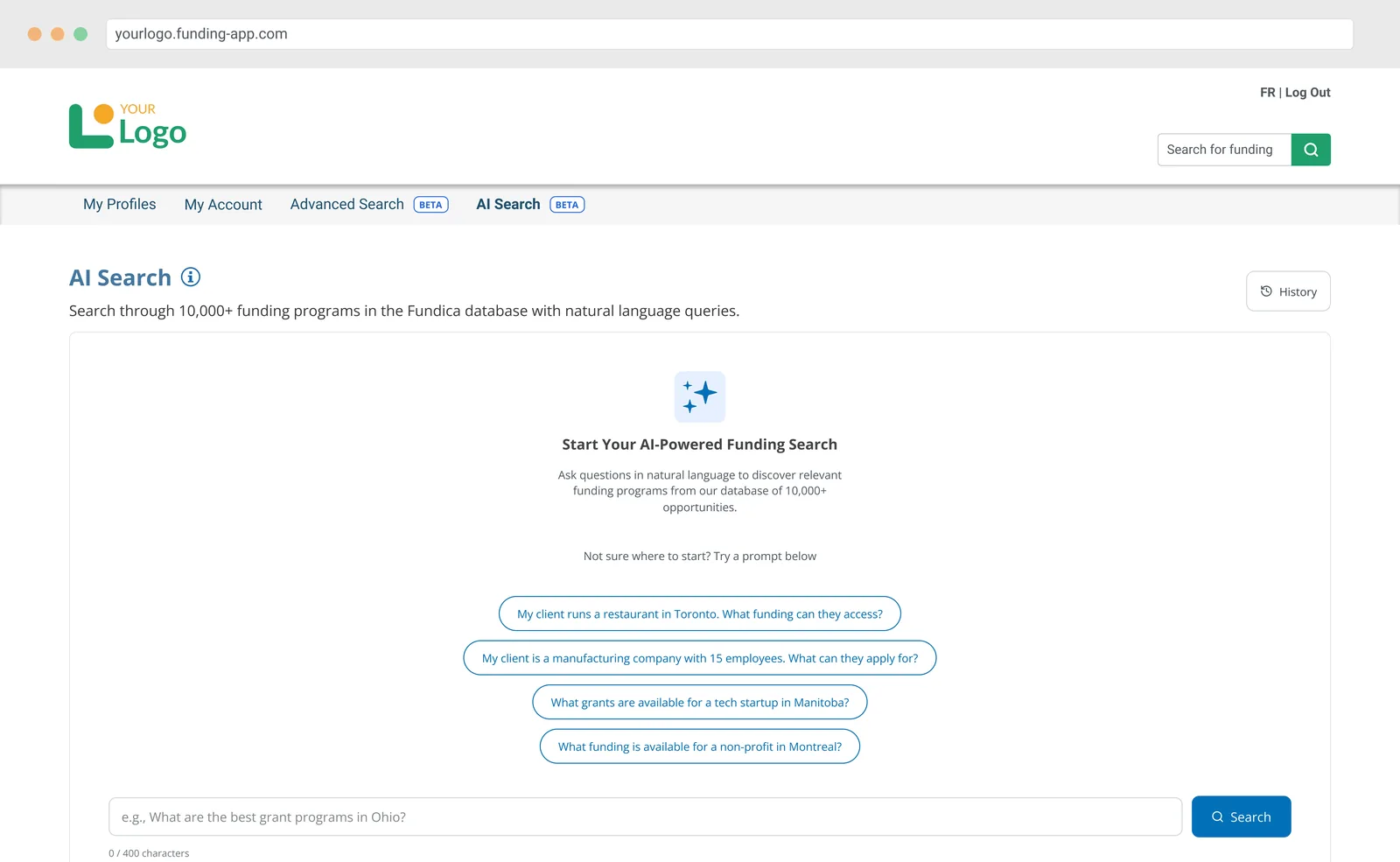
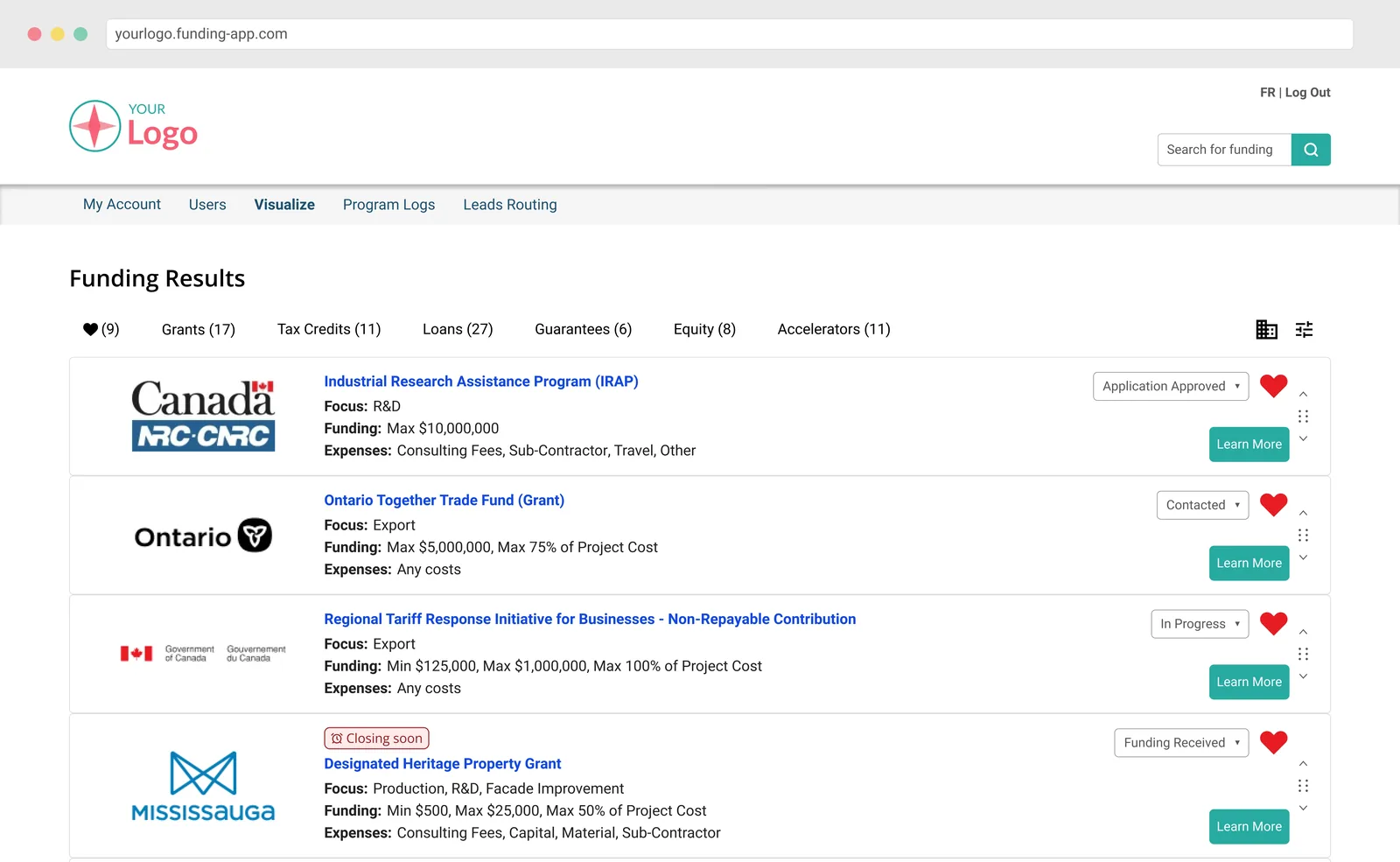
Fundica is an AI-powered platform that matches businesses with funding. It searches more than 12,000 private, federal, provincial and municipal programs and ranks them by relevance. Banks, governments and advisors put it in front of their own clients.
Those clients are the kind where things have to just work. Fundica is trusted by 5 of the 10 largest cities and 80+ governments across Canada, by financial institutions like TD and Visa, and by research and innovation organizations like Mila, Centech, DMZ and McGill.
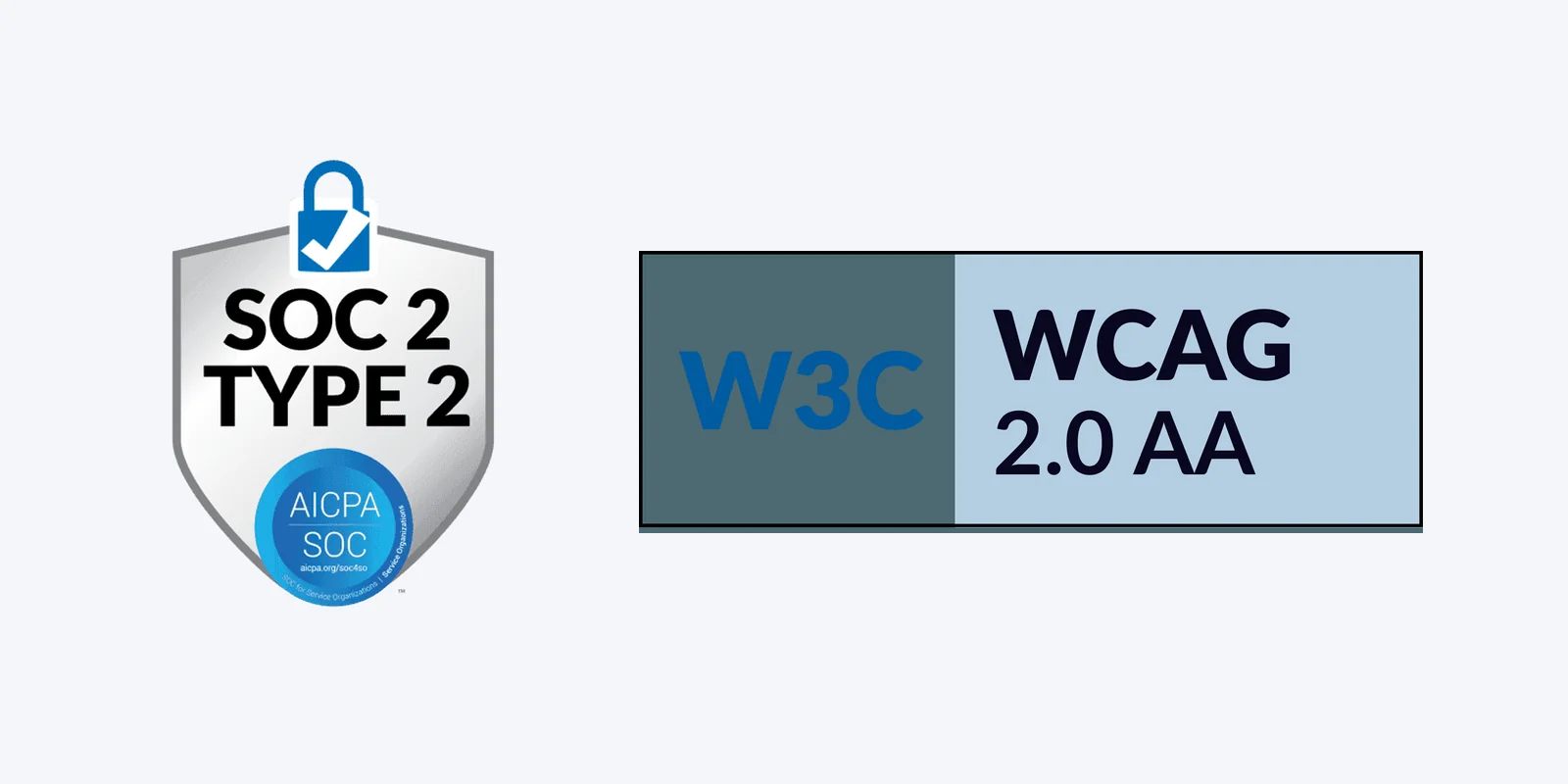
Clients like that don't take a vendor's word for it. They want proof, and the proof is on the website: SOC 2 Type II certified, WCAG 2.0 AA, and no IT integration required.
The audit
A client asked for the certification, so I ran the audit
One of our clients asked for the WCAG certification, and before we could claim it we had to prove it. I led the audit together with our security and compliance specialist.
I went through the platform against the WCAG guidelines and flagged every place we fell short. Then I mapped out the fixes, worked with the rest of the team to get them done, and applied them across the product.
Automating it
Catching accessibility issues before they merge
An audit only proves where you are on the day you run it. Every new feature can quietly break something again, so after the audit I got the chance to lead an R&D project to automate it.
I started with research: what accessibility actually means for the people using the product, the WCAG guidelines in depth, and which tools already exist for detecting issues and how far each one goes.
I built the auditing script in Python. A JSON configuration describes each page: its URL, name, elements to check and, where needed, a login URL and credentials. The script handles page navigation and authentication so it can check screens behind a login too.
The script runs WCAG checks and produces Markdown reports for review. It combines vetted open-source checkers with detection we built in-house, and runs on pull requests so the team can catch issues before they merge.
Automating that work reduced auditing time per page by up to 99% compared with doing it manually. That measures time saved on each page; findings that need human judgment still go through review.
In my December 2025 presentation, I laid out the next step: an OpenAI integration to suggest fixes, propose custom solutions and match the repository's coding style. That was on the roadmap at the time, alongside more WCAG checks and documentation.
It was my first time leading a project this big, from the research through to a system the team uses.
The team
Thanks, Fundica
Fundica trusted a junior developer to lead a compliance audit and an R&D project for clients that can't afford for things to go wrong. I'm grateful to the whole team for that, and for how much I learned working alongside them.