
Cal Hacks 12.0 in San Francisco, with Marcus Lee
Argus
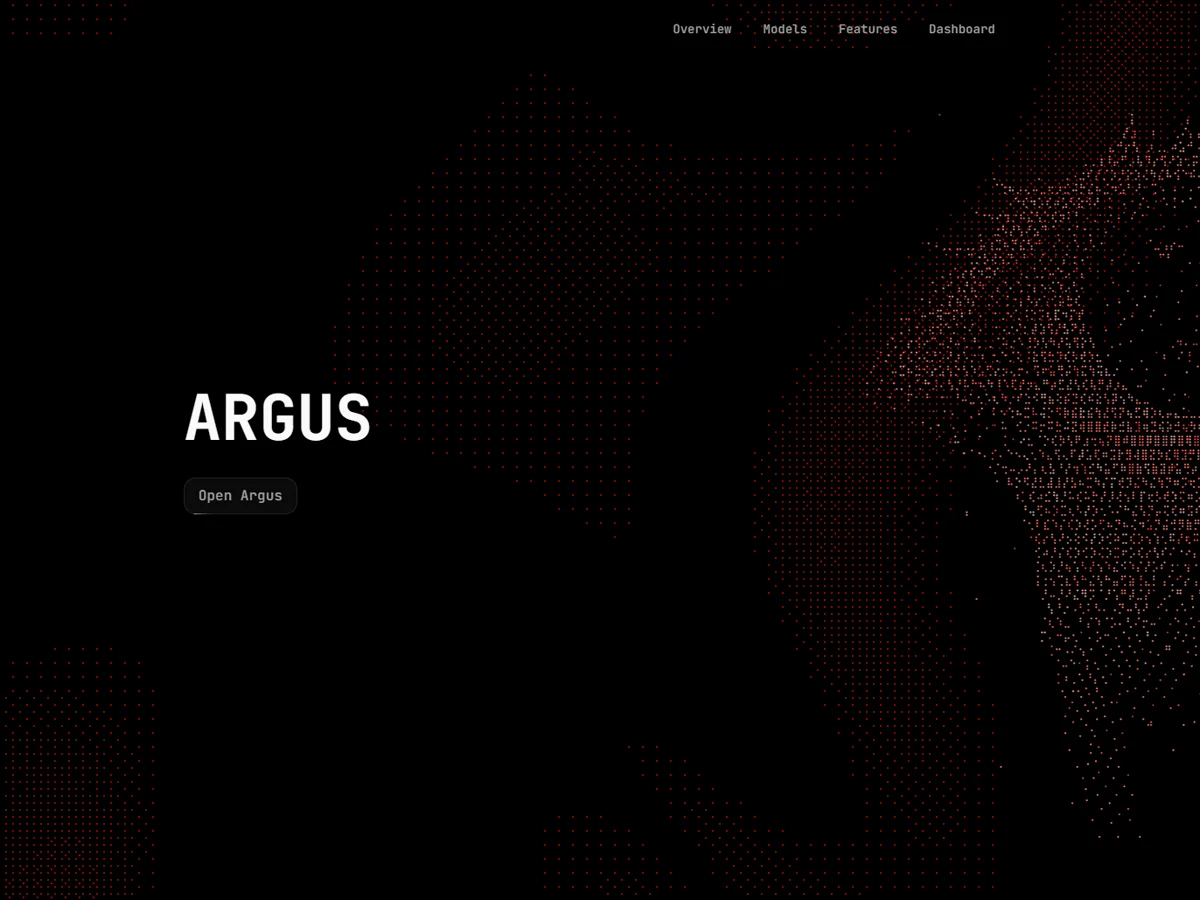
A video surveillance platform Marcus Lee and I built in 37 sleepless hours at Cal Hacks 12.0 in San Francisco. It streams cameras through Mux, finds events with Gemini and Roboflow, and makes them searchable. It took home two first places.
- Type
- Hackathon project, 2 first places
- Timeline
- October 24 to 26, 2025
- Stack
 TypeScript
 Next.js
 Supabase
 PostgreSQL
 Mux
 Gemini
 Roboflow
 Elasticsearch
 GitHub
 Devpost
- Result
- 2 first places, 2 internship offers
- System
- Mux → Supabase → worker → models
- My focus
- Detection, stats, landing page
Cal Hacks 12.0
Two students from Montreal at the largest collegiate hackathon
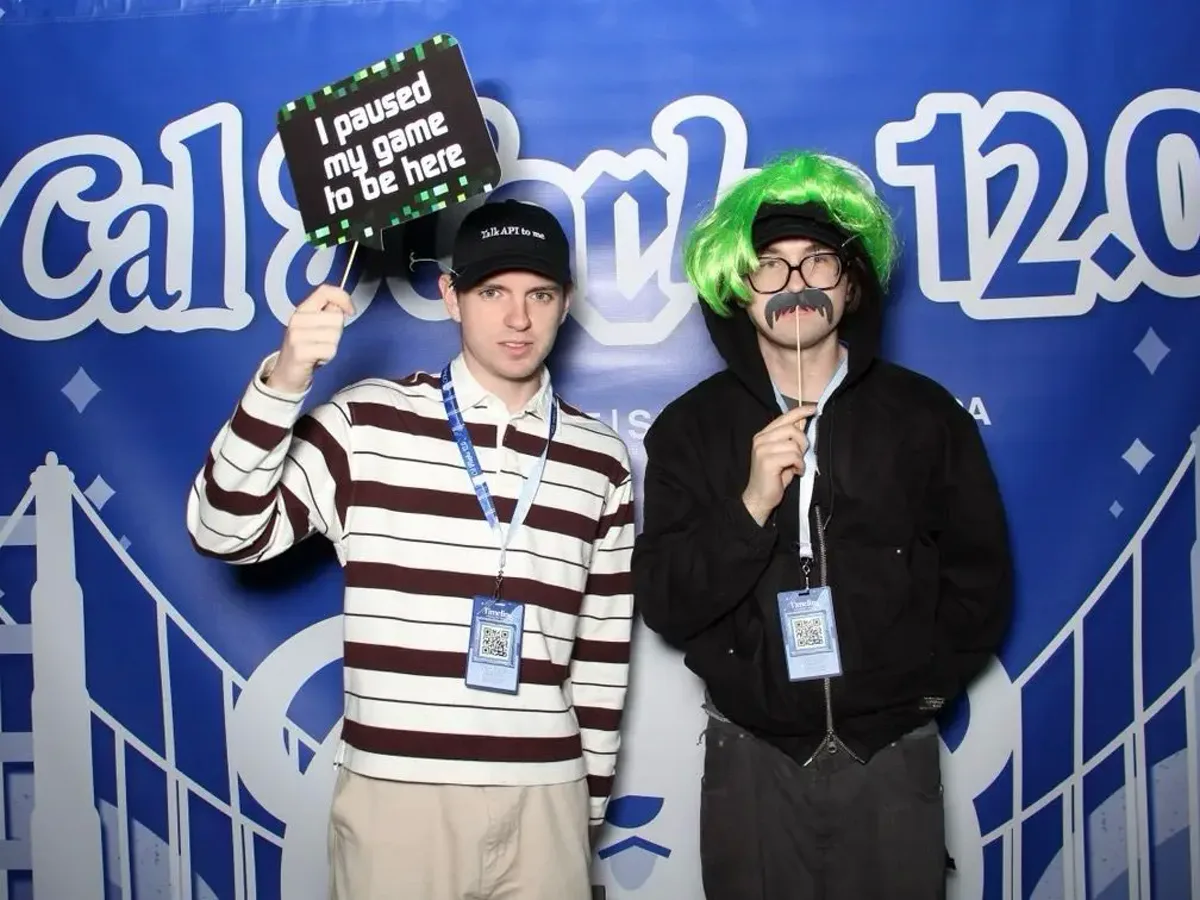
Marcus Lee and I applied to Cal Hacks 12.0 kind of out of the blue, and we got in. It ran October 24 to 26, 2025 at the Palace of Fine Arts in San Francisco. It's North America's largest hackathon, and supposedly the largest collegiate hackathon in the world.
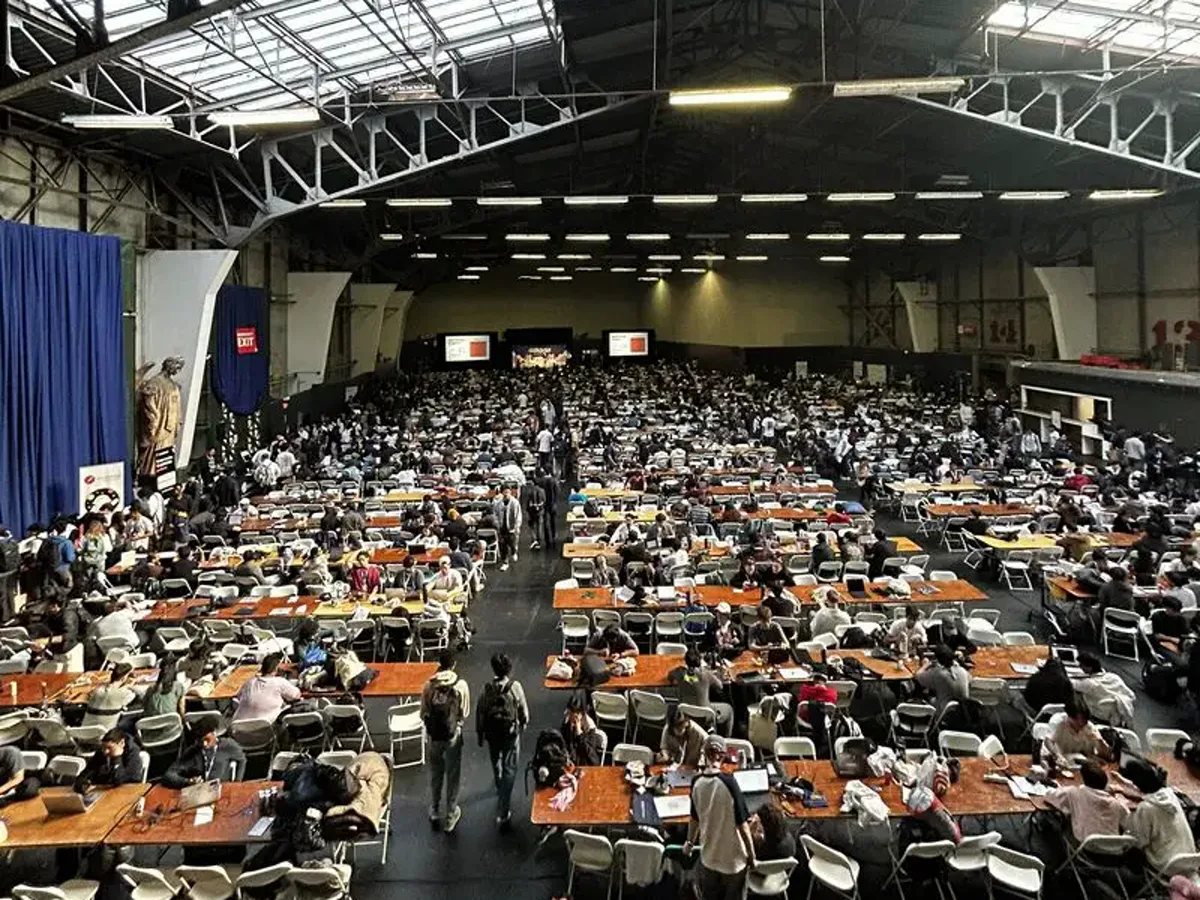
We were blown away. Montreal has a good tech scene, but nothing like what we saw there. There were thousands of students in one hall, a lot of them from schools I'd only ever heard about from Canada, and it really hit me that this is where things are happening.
San Francisco
Seeing as much of the city as we could
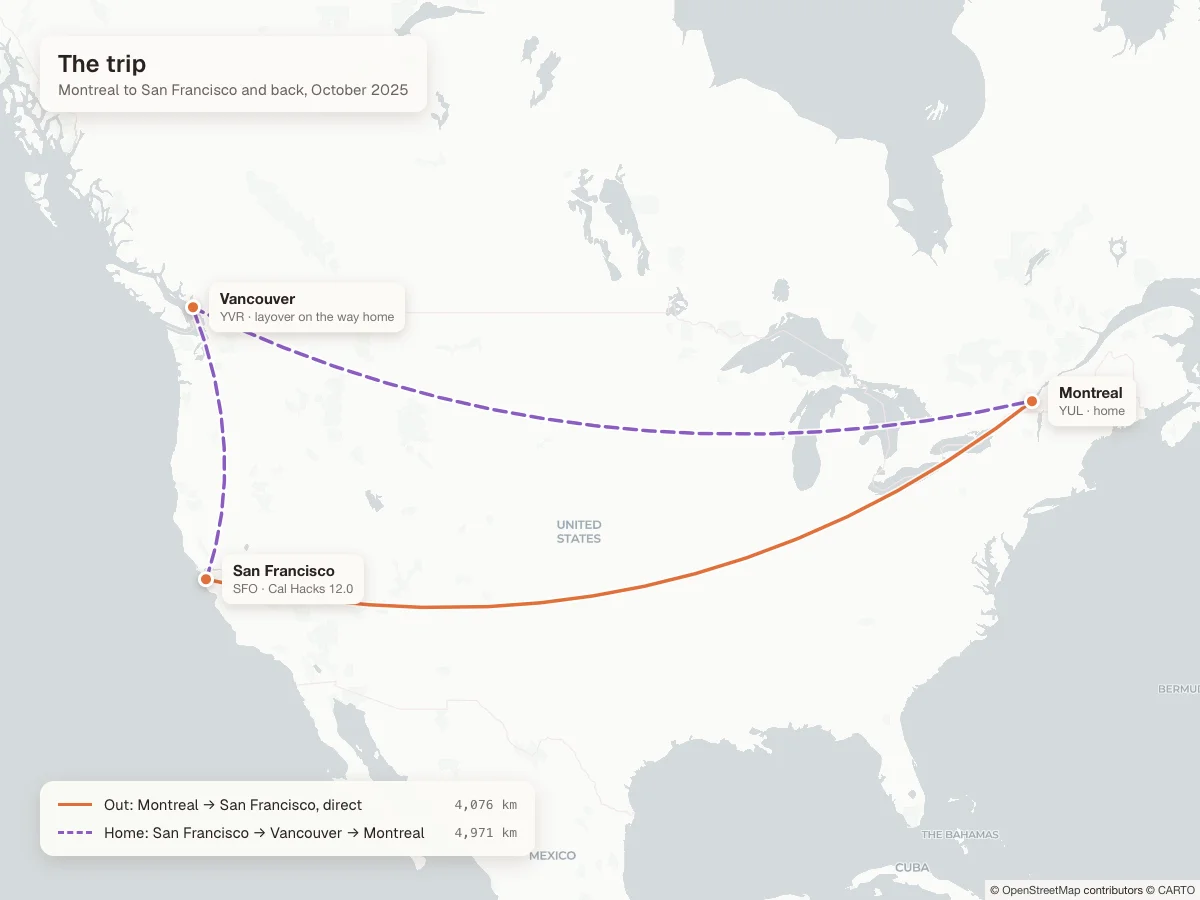
I flew direct from Montreal to San Francisco and came home through Vancouver. It was my first time in a city like SF, so between building sessions we tried to take in as much as we could: walking downtown, hanging around the Palace of Fine Arts, and some seriously good Vietnamese food a few blocks from the hotel.
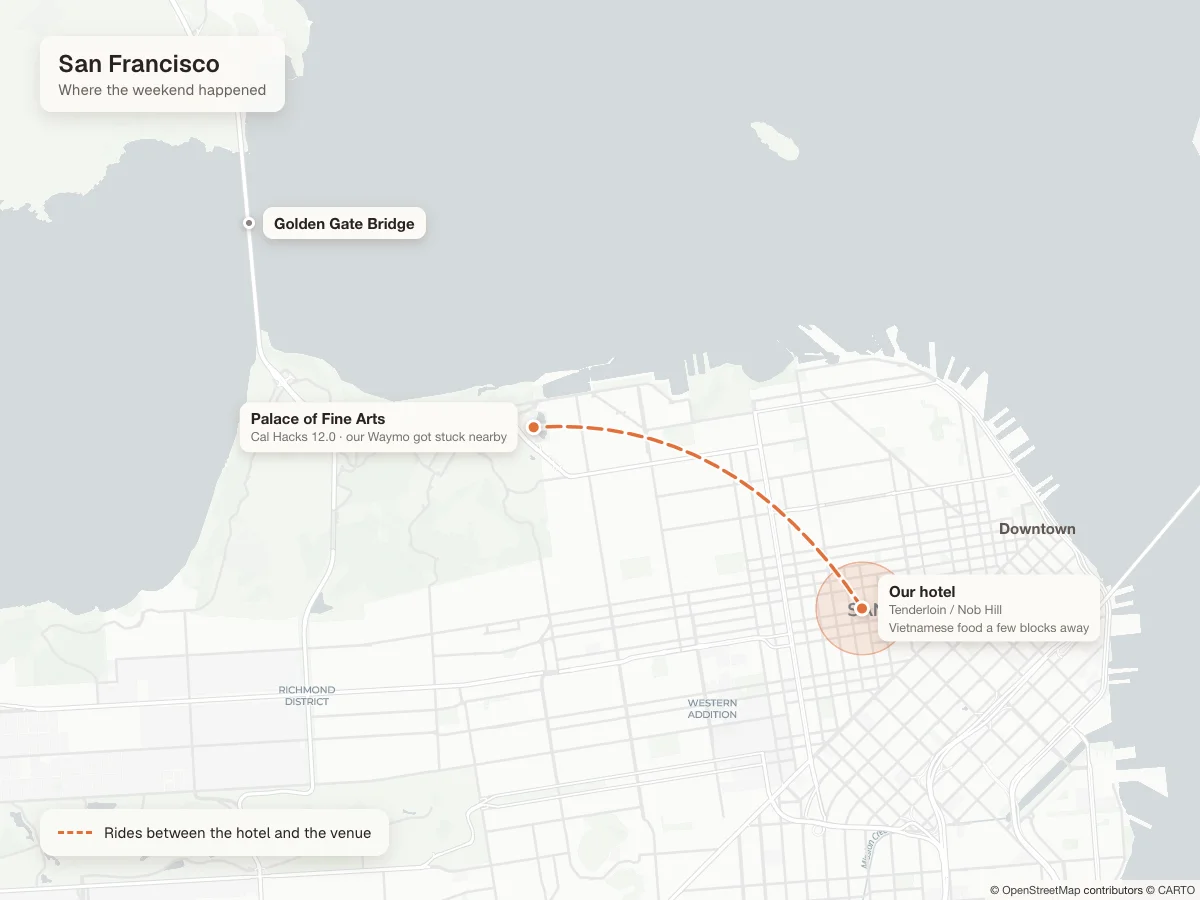
The venue's Wi-Fi had issues from the start, so everyone switched to their phone hotspots, and with three thousand-plus hotspots in one room, pretty much nobody could get online. Argus streams video to Mux and calls three model providers, so we needed internet. We packed up and went back to our hotel in the Tenderloin and Nob Hill area, which was definitely an environment, and built from there.
Every few hours I'd head out to the corner store to grab more energy drinks, and neither of us slept the whole time.
The Waymo
Our Waymo got stuck
We took a Waymo for the first time, and it ended up getting stuck in a parking lot by the Palace of Fine Arts, right next to another Waymo that was also stuck. For two kids who don't have Waymo back home, that was pretty much our worst nightmare.
A bunch of people started recording us sitting there stuck in the Waymo, a few minutes from the Golden Gate Bridge, on my first trip to a city like San Francisco. So that was awesome.
What it does
Surveillance footage you can search and question
Argus is named after Argus Panoptes, the many-eyed watchman from Greek myth. It takes live camera feeds and uploaded recordings, figures out what happened in them, and lets an operator search those events, ask questions about them, and turn them into incident reports.
Gemini 2.5 describes each clip as a set of events, each with a severity, a type, a time, and the people and objects involved. Roboflow draws a box around every person, eight frames a second. Both land on the recording's timeline, so clicking an event jumps the player right to it.
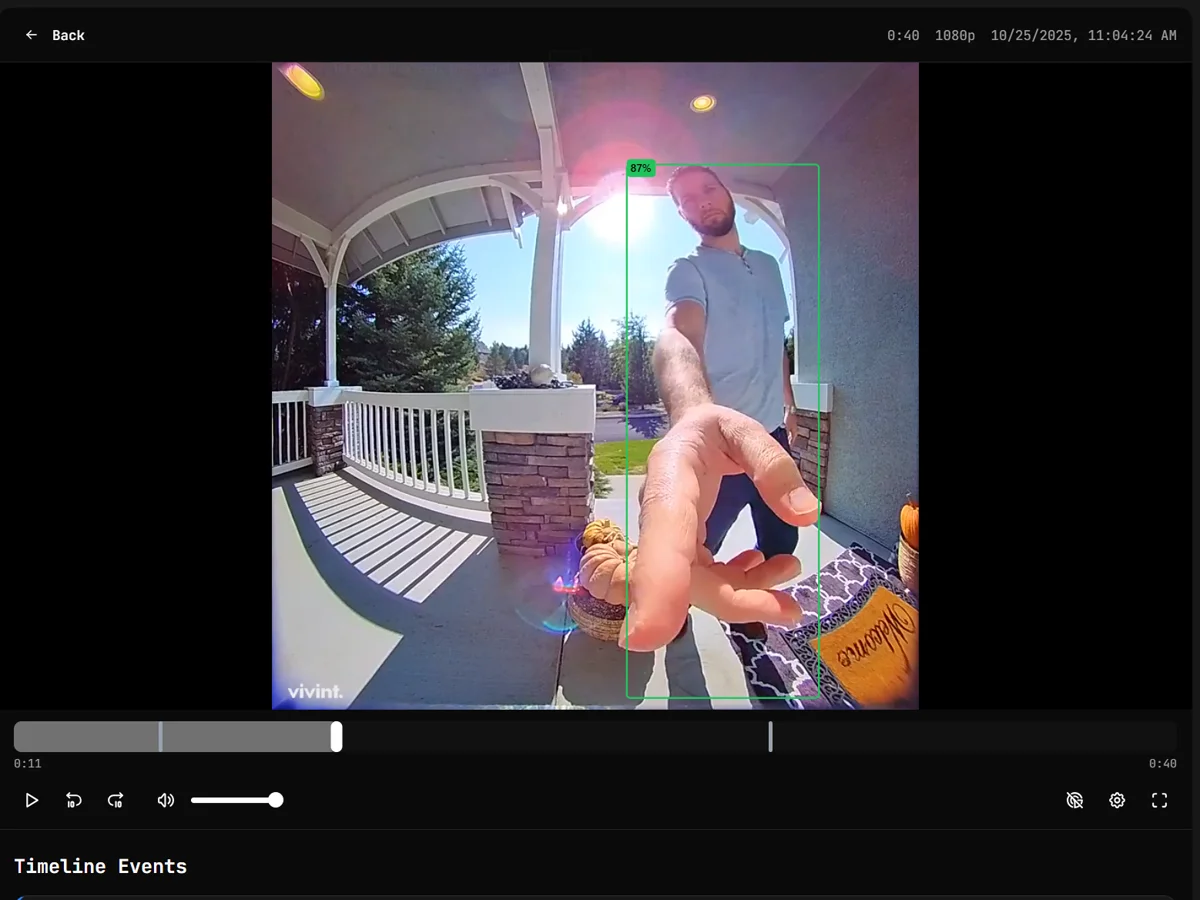
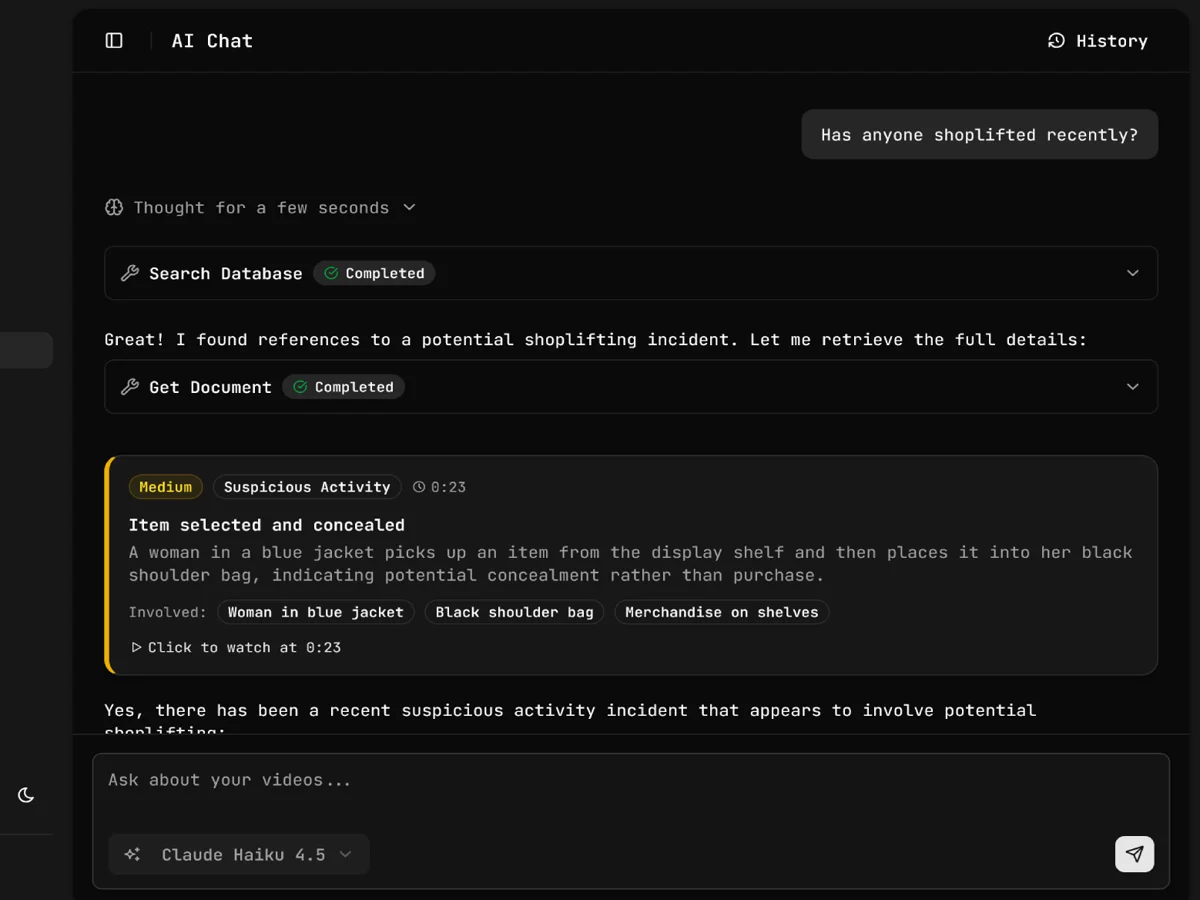
The chat defaults to Claude Haiku 4.5, and you can switch to Claude Sonnet 4.5, Kimi K2 on Groq, or a Letta agent. It searches the database through tools and shows events as cards. From a conversation, it can draft an incident report that opens in a Tiptap editor.
System
Four services and one Postgres queue
A browser camera streams WebM over a WebSocket to a Node server running next to Next.js. That server pipes it through FFmpeg and pushes RTMPS to Mux, which runs the live stream, records it, and cuts clips on demand.
When a recording is ready, Mux calls a Supabase Edge Function, which drops analysis jobs into ai_analysis_jobs. That Postgres table is the only queue in the whole system. Every minute, a scheduler in the worker also adds 20-second windows for live streams and 60-second windows for recordings.
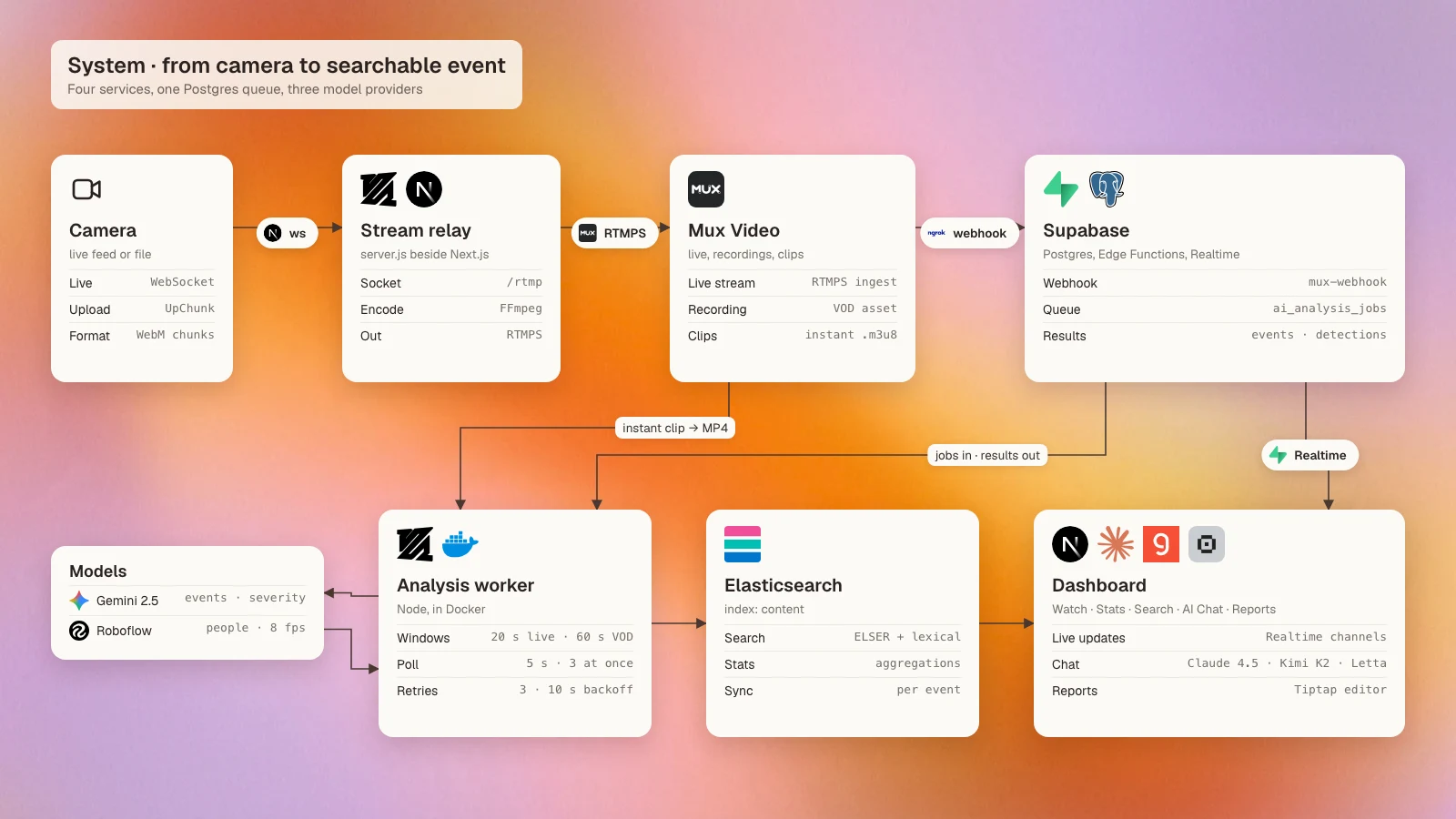
Supabase Realtime pushes new events, jobs and reports to the dashboard, so nothing polls. Every event also gets synced into Elasticsearch, where ELSER semantic search plus lexical matching powers both the search page and the stats.
Pipeline
One recording, start to finish
The worker checks the queue every five seconds and runs up to three jobs at once. For each one, it asks Mux for an instant clip of that window, transmuxes the HLS segments to MP4 with FFmpeg, and sends the MP4 off to the models.
Live windows only go to Gemini. Recordings go to Gemini and Roboflow in parallel. If Roboflow fails, the job still succeeds, just without boxes. If Gemini fails, the job retries up to three times, waiting 10 seconds and doubling each time.
My part
Detection, stats and the landing page
Marcus owned the backend: video processing, the worker and the AI features. I owned the frontend and the pipelines feeding it, and made 49 of the 93 commits in those 37 hours.
I wrote the Roboflow detector. FFmpeg pulls 8 frames a second, each one goes to Roboflow's hosted person-detection model, and anything under 0.3 confidence gets dropped. I drew the boxes over the player and wrote the tracking stats that follow people from frame to frame.
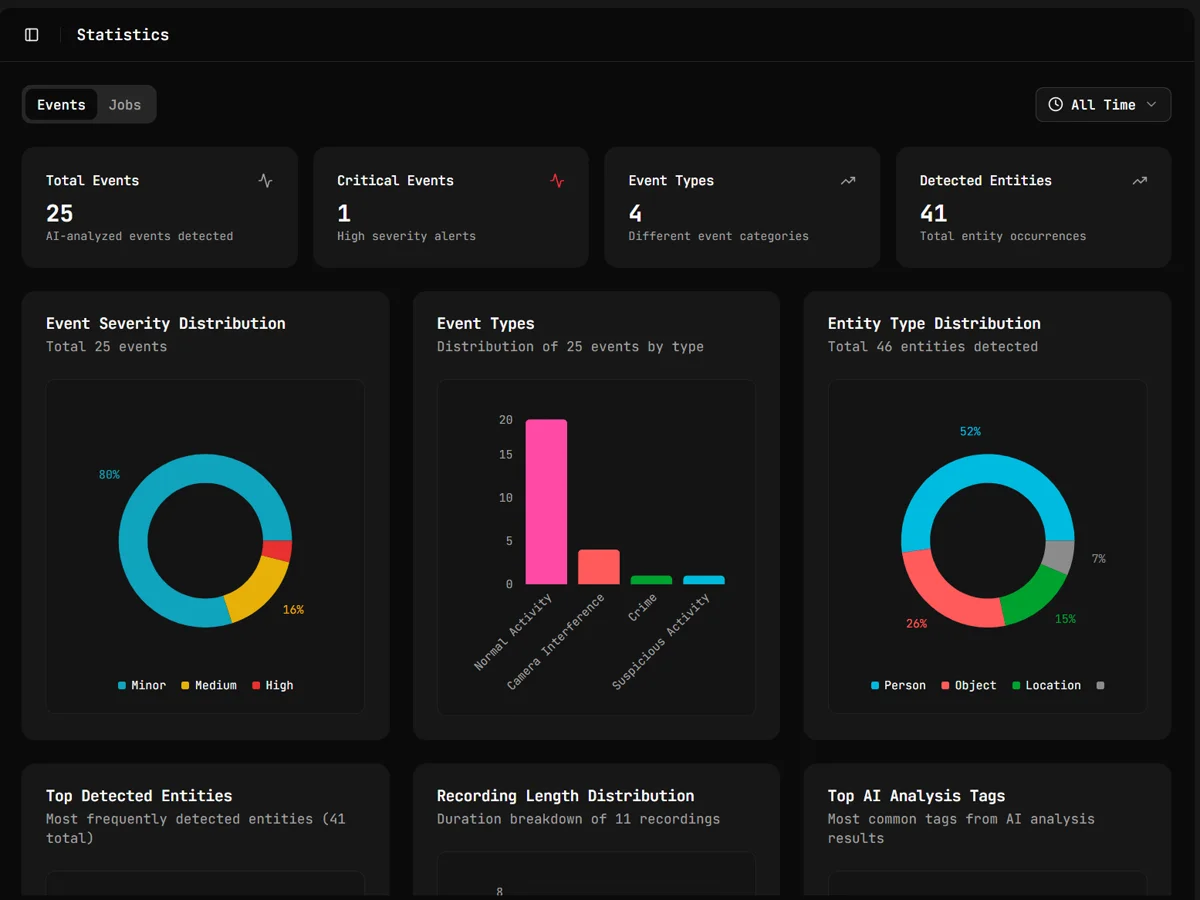
I built the stats page on Elasticsearch aggregations: severity, event types, entities, recording lengths and occupancy, with date filters and chart colours interpolated in HCL. On the last night I built the landing page, then GitHub sign-in and the mobile nav.
Results
Two first places and two offers
We demoed at a table in a huge open space with thousands of other teams presenting all around us. You could tell people had built really good projects, and a lot of them were from the Ivy League schools you hear so much about where I'm from in Canada. Then Argus ended up winning two first places: Conway's Most Data-Intensive Application and a37's Best Use of A37.
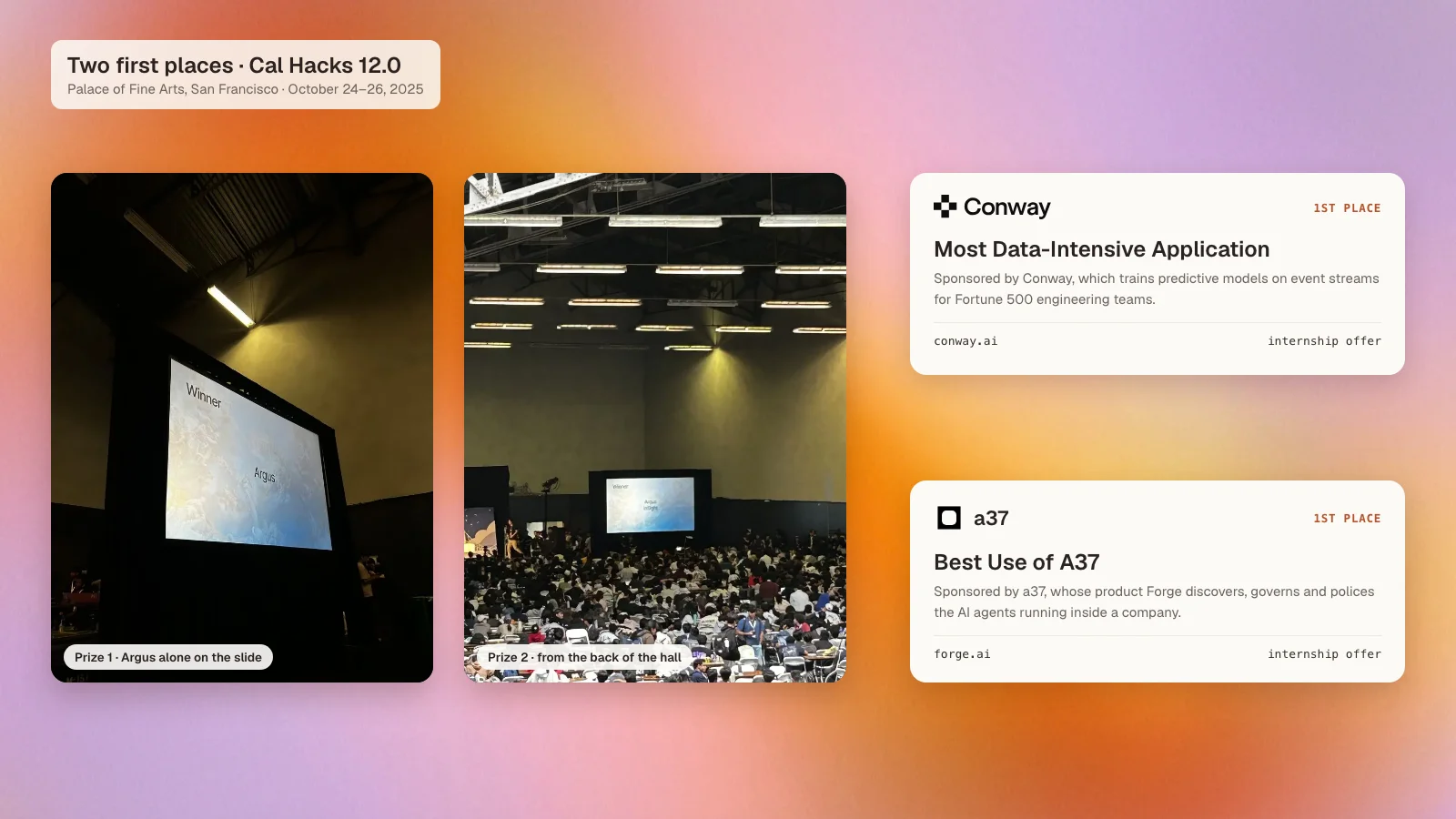
Both are cool companies working on really interesting problems. Conway trains predictive models on event streams for Fortune 500 engineering teams, and a37 builds Forge, which finds, governs and polices the AI agents running inside a company. We got internship offers from both of them, which was super cool.
Takeaways
What I took away from it
Argus is the most complete hackathon project Marcus and I have built. It used eight outside services, and running it locally took four terminals: ngrok for Mux's webhooks, Next.js, the worker, and Supabase in Docker.
But the bigger thing for me was the people. We met so many smart people and saw so many cool projects. I'm confident, without a shadow of a doubt, that a lot of the people we saw there, and so many more that we didn't, are going to do amazing things and shape the world, so getting to be in that space with them was a crazy opportunity.