
AI Launch Lab, Dawson AI, Winter 2024
TradeMind
I researched and built TradeMind's machine-learning model in a Jupyter notebook, using Kaggle stock data and lessons from AI Launch Lab's Winter 2024 R&D program.
- Type
- AI R&D program project
- Timeline
- February to April 2024
- Stack
 Python
 Jupyter
 pandas
 scikit-learn
 FastAPI
 React
 Plotly
 Repository
 Cohort listing
- My focus
- Model research and development
- Model
- Quadratic regression
- Record
- Winter 2024 cohort listing
Context
An AI research project in winter 2024
TradeMind was my project for AI Launch Lab's Winter 2024 R&D program, built with a team of five. The program ran from February 10 to April 5 and wrapped up with presentations at Dawson College.
We wanted to see if historical stock data could give someone a second opinion when they're researching long-term investments, so TradeMind paired a fitted prediction model with a website where you could look at what it predicted.
AI Launch Lab listed TradeMind with the rest of the cohort, next to projects in healthcare, education and environmental modelling. Dawson kept that same project-first format going in its later accelerator programs with AI Launch Lab and Mitacs.
AI Launch Lab ran the program with Montreal NewTech, funded by the Government of Québec and in collaboration with District 3, IVADO, ConcordAI, Montréal InVivo, Korbit, V1 Studio and Concordia University. They're who gave me the chance to do this.

My contribution
Researching and building the machine-learning model
My piece was the model. I built it in a Jupyter notebook, pulled historical stock data from Kaggle, and dug through scikit-learn's models, putting what we were learning in the program to work.
That meant the whole modelling process: picking the dataset, figuring out an approach, and implementing it. The notebook let me work right on top of the stock data and build the model the rest of the project ran on.
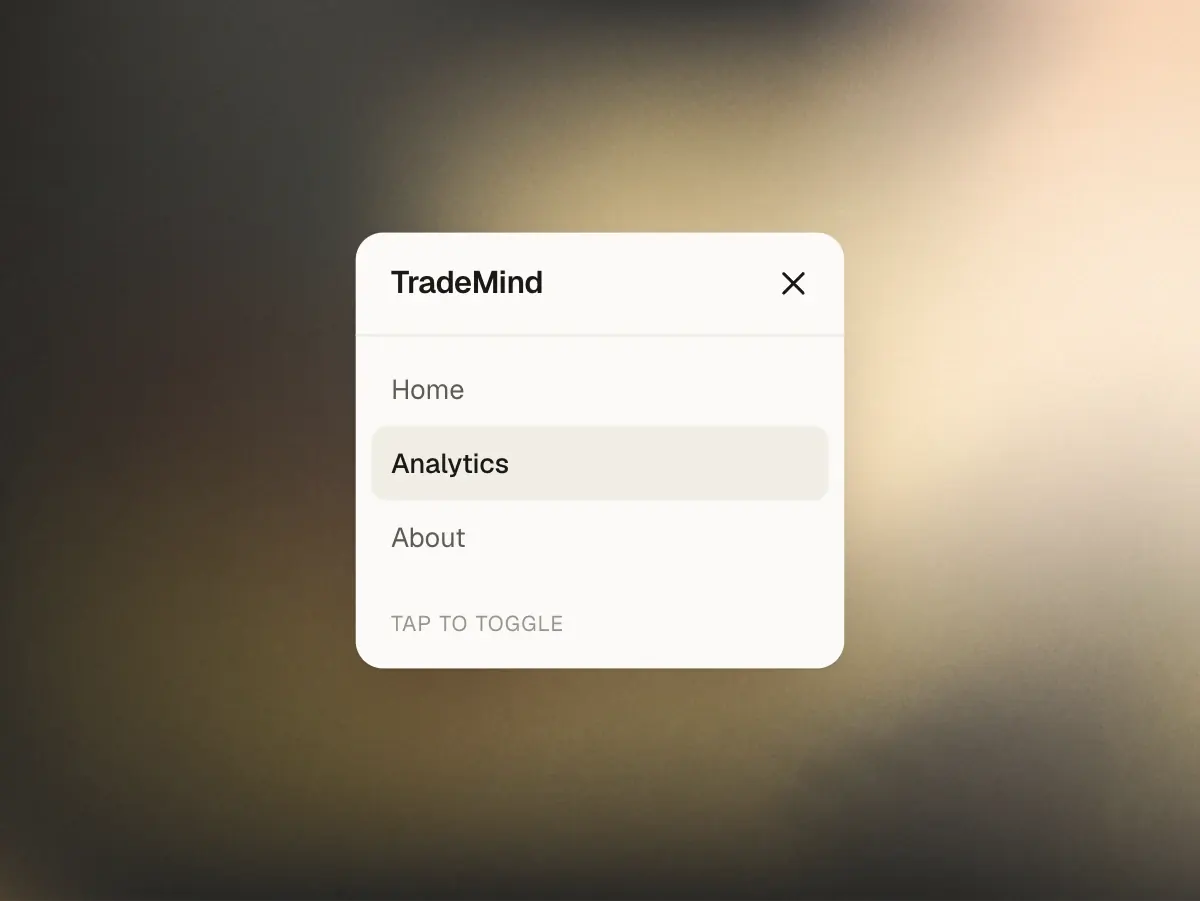
Outside the model, I chipped in on the website too: the responsive navigation, the analytics styling, fixes for charts that resized badly or overflowed, and the project docs. That's what got the model's output in front of people through the team's web app.
Implementation
Historical data, a fitted model, and a chart
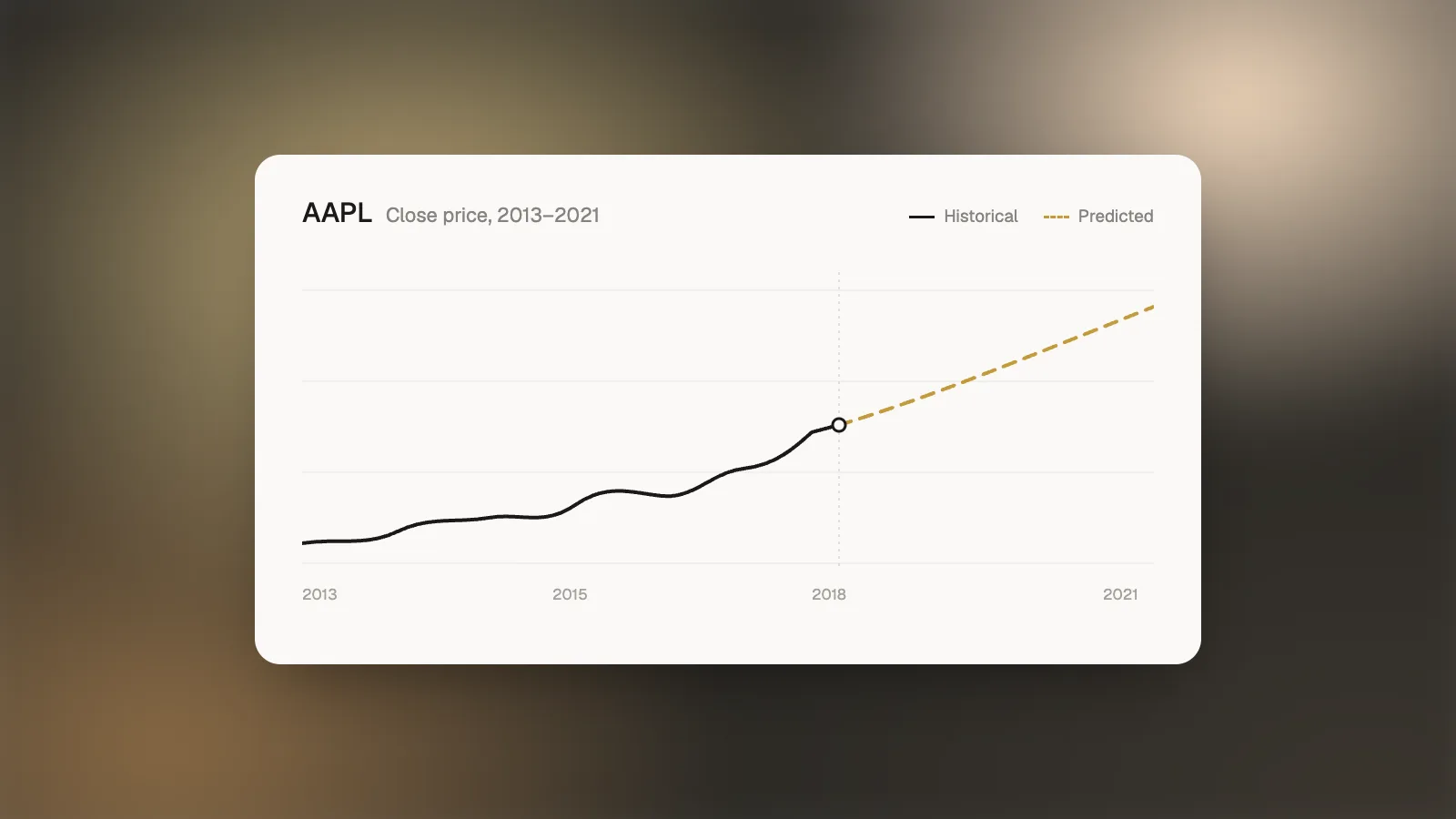
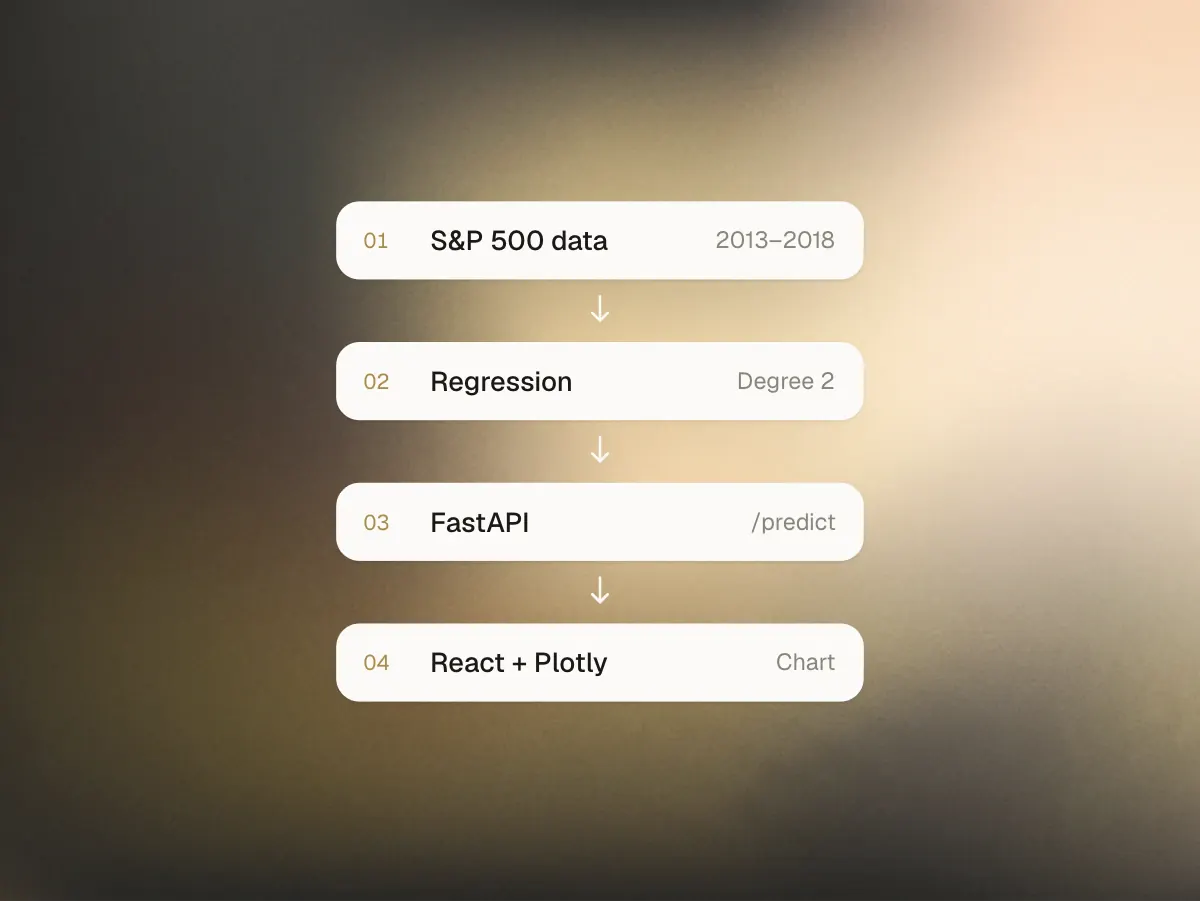
For data, I went with a Kaggle dataset of S&P 500 prices from 2013 to 2018. The prediction code filters down to one ticker, turns dates into days elapsed, and fits closing prices with degree-two polynomial features and a linear regression, so basically a quadratic curve.
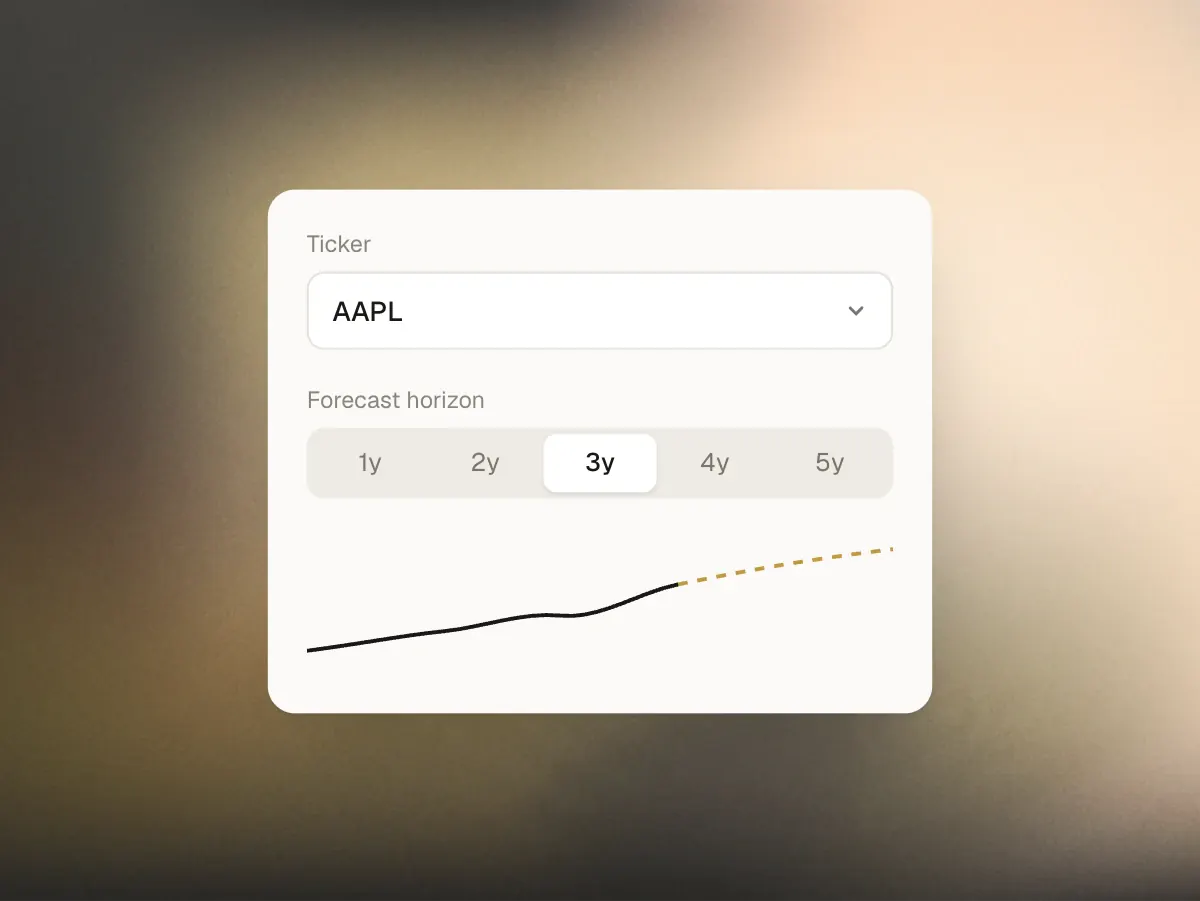
FastAPI serves the list of symbols and a prediction endpoint. In React, you pick a ticker and a horizon from one to five years, and it asks for the historical and predicted series. Plotly draws history as a solid line and the prediction as a dashed one.
There are Keras experiments in the repo too, but the endpoint only ever calls the polynomial trainer, so what gets served stays separate from the neural-network stuff.
Outcome
A documented prototype with a public cohort record
I took the model from research and picking a dataset all the way to a working notebook. The team hooked the prediction service up to an interactive frontend, and AI Launch Lab put TradeMind in its public Winter 2024 project listing.
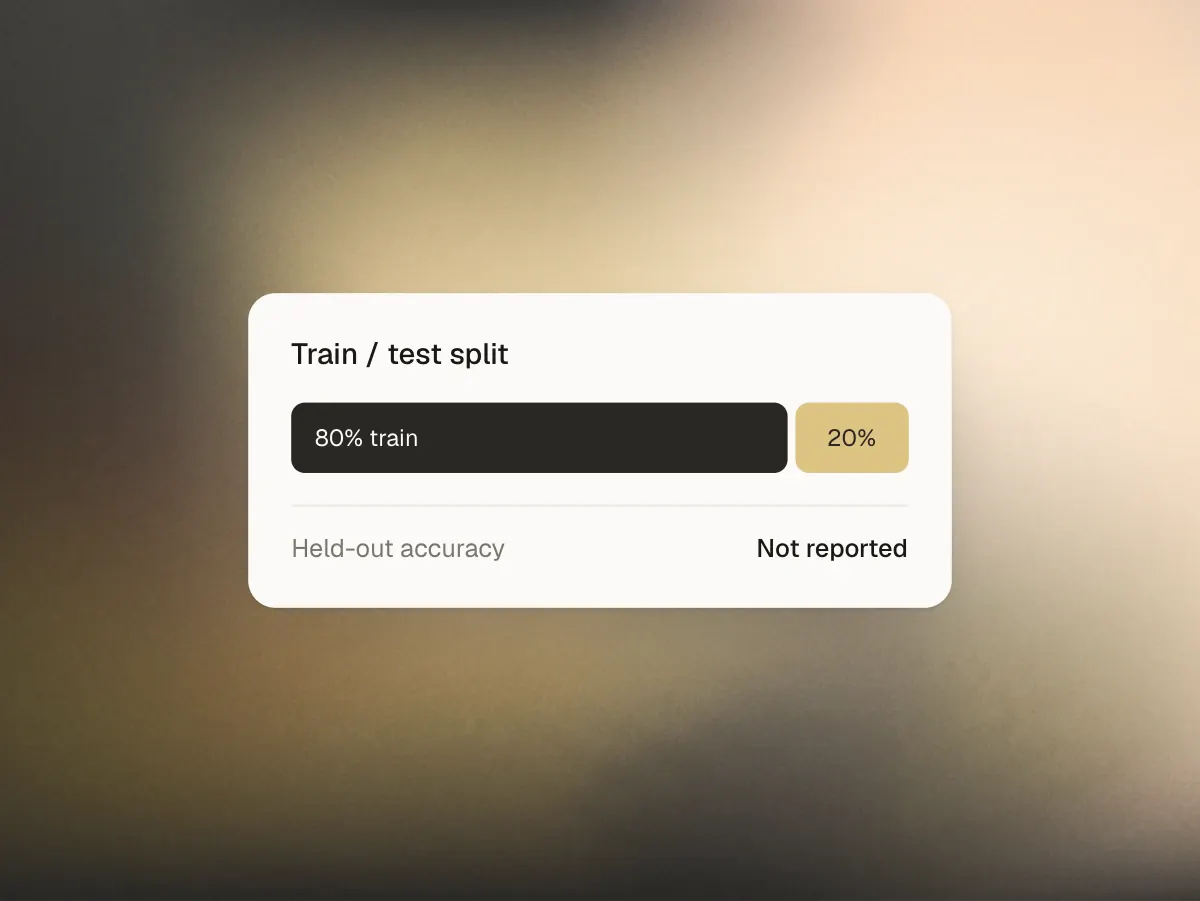
The trainer does a random 80/20 split but never actually reports held-out accuracy, and stretching a quadratic curve years past its training data doesn't say much about investment performance. That's why the interface frames it as an educational tool.
After the program, AI Launch Lab, Dawson AI and Mitacs sent me to World Summit AI, where the talks pushed my idea of AI past software development.
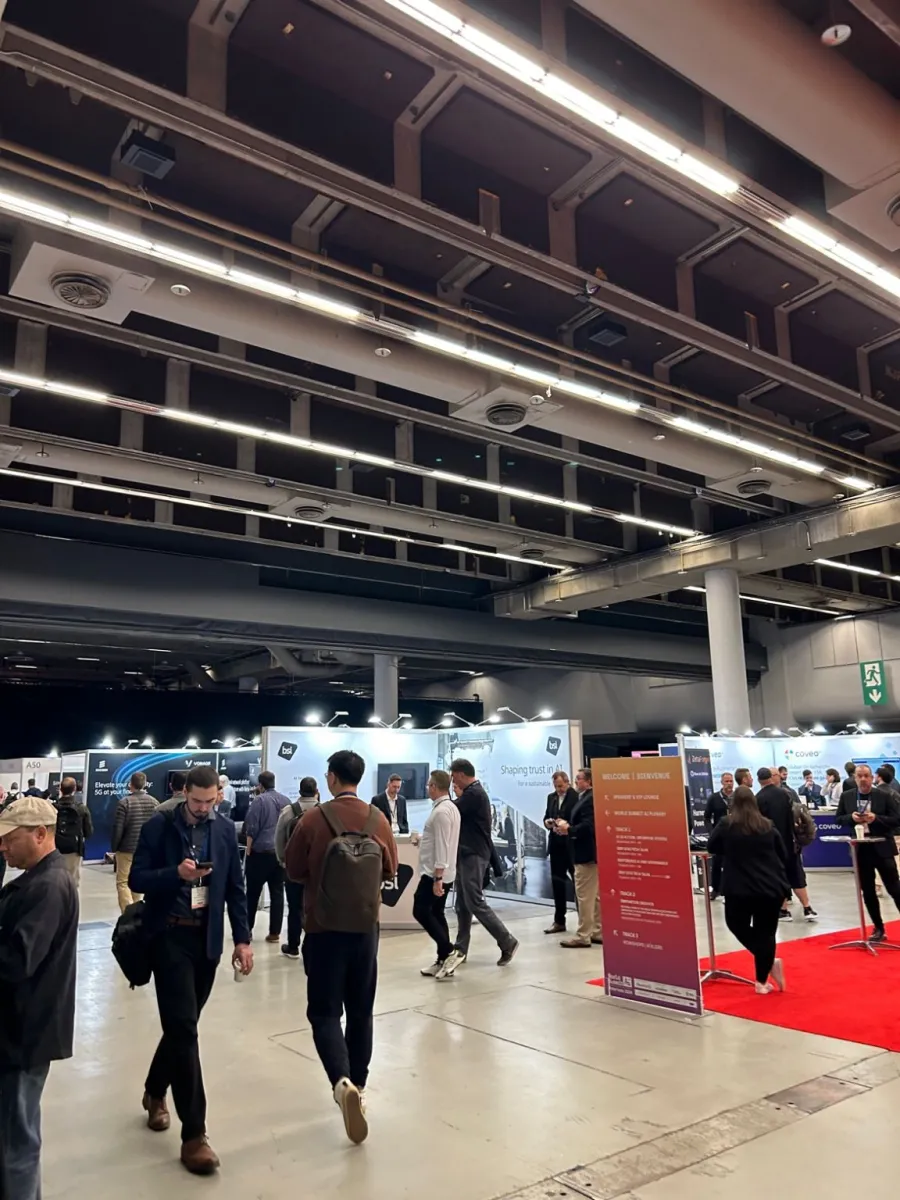
“Thrilled to see the next generation of AI enthusiasts like Carson Spriggs-Audet expanding their horizons at the World Summit AI.”
Reflection
Next time, I'd measure it properly
Looking back, I'd keep the pick-a-ticker, get-a-chart flow and put a lot more evidence behind the predictions. I'd compare against a baseline that just uses the last price, test on later time periods, and show the error for each forecast horizon.
In a future version, I'd put the training period and the measured error right next to the chart. TradeMind already got a model into a browser. The next step is helping people decide how much to trust it.